

 By
By 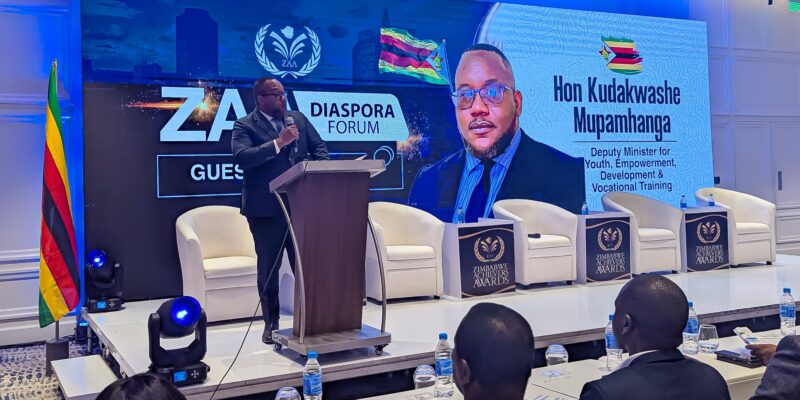
Zimbabwe Champions Diaspora as “11th Province,” Pushes for Stronger Systems to Protect Remittances and Investments
Harare, August 30, 2025 – In a bold move to deepen ties with its global community, Zimbabwe’s government has declared its diaspora the nation’s “11th province,” recognizing their substantial contributions to the country’s economy and development. Speaking at the ZAA Diaspora Forum in Harare, hosted by Destiny Media Group, Deputy Minister of Youth Empowerment, Development and Vocational Training, Kudakwashe Mupamhanga, called for robust systems to safeguard diaspora remittances and investments while urging greater involvement in rural development.
Zimbabwe’s diaspora, estimated to contribute 10% of the nation’s GDP through remittances, plays a pivotal role in bolstering the country’s economy. These financial inflows, which amounted to billions of dollars annually, have become a cornerstone of Zimbabwe’s fiscal stability, supporting families, businesses, and infrastructure projects. However, Mupamhanga emphasized that the potential of the diaspora extends beyond remittances, advocating for policies that incentivize their active participation in national development, particularly in underserved rural areas.
“Anything that encourages the diaspora to get more and more involved in their country is welcome,” Mupamhanga stated. “I represent a rural area, and I like to be biased towards rural areas where diaspora investment can come and partner with the government in developing our rural districts. Everyone has a kumusha (home) they came from. It’s not just about sending money for medication but also getting involved in rural district councils to drive meaningful change.”
The ZAA Diaspora Forum, a two-day event concluding with an awards gala at Manna Resorts on Saturday, served as a platform to bridge Zimbabweans abroad with policymakers and local stakeholders. The forum facilitated discussions on investment opportunities, focusing on how diaspora contributions can fuel sustainable growth in sectors like agriculture, infrastructure, and education. Attendees explored ways to streamline remittance channels, reduce transaction costs, and protect investments from economic volatility, ensuring that diaspora funds yield maximum impact.
Mupamhanga’s call for stronger systems to protect remittances and investments comes at a critical time. Zimbabwe has faced challenges such as currency instability and bureaucratic hurdles, which can deter diaspora engagement. Experts at the forum stressed the need for transparent financial mechanisms, improved legal frameworks, and incentives like tax breaks or simplified investment processes to encourage Zimbabweans abroad to invest confidently.
The deputy minister’s vision of the diaspora as the “11th province” resonates deeply in a country where millions live abroad, particularly in South Africa, the United Kingdom, and the United States. These communities have long supported their homeland through remittances, philanthropy, and knowledge transfer. By framing them as an integral part of Zimbabwe’s identity, the government aims to foster a sense of belonging and shared responsibility.
The forum also highlighted success stories of diaspora-led initiatives, such as community development projects and small-scale enterprises in rural areas. Mupamhanga urged Zimbabweans abroad to partner with local councils to address pressing needs, such as access to clean water, healthcare, and education. “Everyone has roots,” he said. “Those roots need the diaspora to play ball and contribute to transformative projects that uplift our communities.”
As Zimbabwe grapples with economic challenges, including high inflation and unemployment, the diaspora’s role has never been more vital. The government’s commitment to protecting their contributions signals a strategic shift toward harnessing global Zimbabwean talent and resources. Plans to introduce incentives, such as special investment zones or diaspora bonds, are reportedly under consideration, though details remain forthcoming.
The ZAA Diaspora Forum marks a significant step in redefining Zimbabwe’s relationship with its diaspora. By fostering dialogue and collaboration, the event sets the stage for a more inclusive approach to national development, one that leverages the “11th province” to build a prosperous future for all Zimbabweans.