PoliticsRegional

Guinea President was Detained After a Successful Military Coup

0

The military coup was led by special task forces led by Colonel Mamady Doumbouya, the head of Guinean Special Forces. The president of Guinea was detained after a successful military coup in the West African nation. The coup was reportedly led by special task forces led by Colonel Mamady Doumbouya, the head of Guinean Special Forces.

The military also detained several other top functionaries of the government, according to reports. The coupe leaders appeared on TV to announce the dissolution of the government and the national assembly with immediate effect. They have also suspended the constitution and sealed the borders of Guinea.

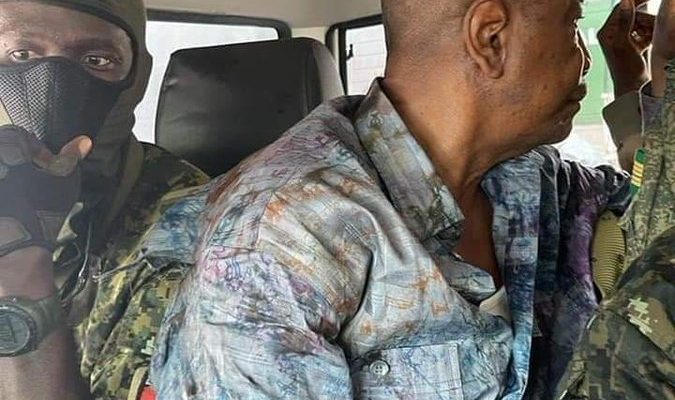
Photographs posted on social media showed Guinean President Alpha Conde surrounded by soldiers after his ‘arrest’. Later he was seen taken away from the presidential palace in a vehicle by the special forces.

Earlier there was some confusion about the development, as Conde’s government released a statement saying that the attack on the presidential palace by special forces had been “repulsed”. It was also claimed that the soldiers surrounding him in the photo were his guards and special forces detaining him. But later it has been confirmed that the coup attempt has been successful.

editor
Abel Mavura is a journalist, editor, and writer whose work explores the intersections of cities, migration, and social justice. He tells stories about how people move, survive, and remake urban life under conditions of precarity, drawing on close field engagement and lived experience. Trained as a journalist at the Christian College of Southern Africa, Abel’s early work was rooted in media practice and community storytelling. Over time, his focus expanded into research and critical inquiry, allowing his writing to move fluidly between reportage, analysis, and long-form reflection. He is a graduate of Sciences Po Paris and is currently pursuing research at the University of Cambridge, where his work builds on earlier research into migration and informal housing. Abel is the author of three books, and his writing has appeared across platforms ranging from grassroots and community radio to international and policy-facing spaces. His work is grounded in clarity, ethical storytelling, and a commitment to centring voices often left out of mainstream narratives.

ZIMBABWE: PARLIAMENT PASSES RESTRICTIVE CYBER SECURITY BILL, AWAITS PRESIDENTIAL ASSENT

Previous article

Zimbabwe Tourism Authority (ZTA) Steps Up Marketing Efforts – Virtually Hosts 400 International Agents

Next article

You may also like

More in Politics