
 By
By 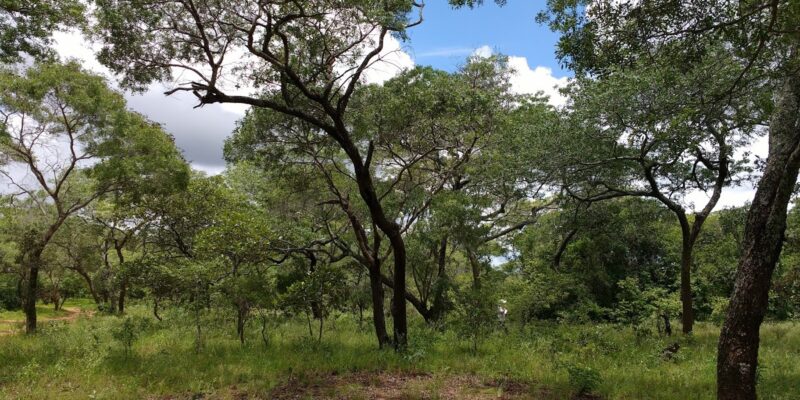
Harare, 3 February 2025 – The Food and Agriculture Organization (FAO) of the United Nations has launched a $1.7 million project to promote the sustainable management of Zimbabwe’s Miombo woodlands. Funded by the Italian government, the initiative will be implemented in collaboration with the Forestry Commission of Zimbabwe and local communities in the Mudzi, Rushinga, and Chipinge districts. The transboundary project will also extend into Mozambique to tackle regional environmental challenges.
The Miombo woodlands, spanning approximately 2.7 million square kilometers across Southern Africa, are a crucial source of timber, fuelwood, and non-timber forest products. However, deforestation, unsustainable land use, and veld fires pose increasing threats to the ecosystem, endangering both biodiversity and rural livelihoods.
“The Miombo woodlands are the backbone of rural livelihoods in Zimbabwe, but they are under immense pressure,” said Banarbas Mawire. “This new project will work hand-in-hand with local communities and the government to protect this irreplaceable resource and build resilience to the impacts of climate change.”
A Multi-Faceted Approach to Conservation
The FAO-led project aims to address these challenges through:
• Sustainable forest management – Implementing conservation strategies to curb deforestation and land degradation.
• Livelihood enhancement – Providing training, value chain development, and improved market access for forest products.
• Climate resilience – Supporting ecosystem restoration and promoting adaptive land-use strategies.
• Community and stakeholder engagement – Encouraging collaboration between local communities, governments, and international partners.
Regional Collaboration and Policy Alignment
The project builds on the Miombo Declaration, which was endorsed by 11 Southern African Development Community (SADC) member states in August 2022 as part of the Maputo Declaration on the Miombo Forest.
Speaking at the launch, Forestry Commission official Mrs. Joyce Gombe emphasized the transboundary challenges facing the Miombo woodlands, including veld fires, excessive wood harvesting, and charcoal production.
“By working together with FAO and the Italian government, we can develop innovative solutions to the challenges facing this irreplaceable ecosystem,” she said.
Long-Term Impact and Sustainability
The three-year initiative will focus on generating and sharing best practices for Miombo woodland management. It is expected to enhance forest cover, improve ecosystem health, create new economic opportunities for local communities, and increase awareness of climate-smart conservation strategies.
With the Miombo woodlands playing a critical role in ecological balance and rural economies, the project represents a significant step toward ensuring the sustainability of this essential ecosystem.
About FAO and the Forestry Commission
The Food and Agriculture Organization (FAO) is a specialized United Nations agency committed to global food security and sustainable agricultural practices.
The Forestry Commission of Zimbabwe is the government agency responsible for managing and conserving the country’s forests and woodlands, promoting biodiversity conservation, and supporting rural development.