
 By
By 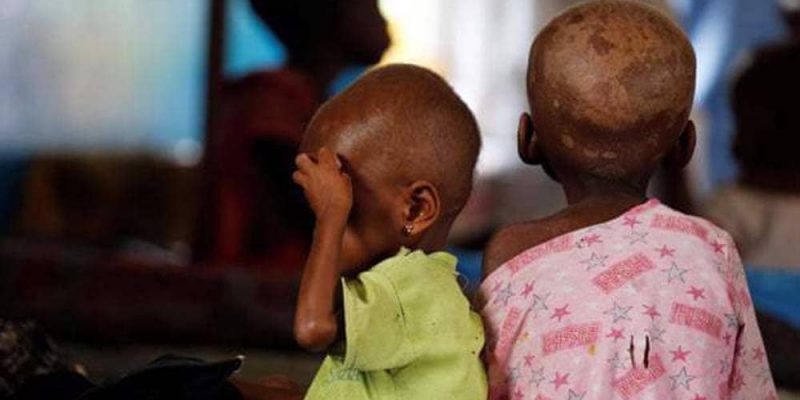
The United Nations has sounded the alarm over hunger, food insecurity, and recurring epidemics in the violence-hit Democratic Republic of the Congo.
Bintou Keita, the UN’s special envoy to the DRC, told the United Nations Security Council during a briefing on Tuesday that “food insecurity and cyclic epidemics are major concerns” in the African country.
“More than 26 million Congolese, or 29 percent of the population, suffer from food insecurity,” she said.
The envoy, citing attacks on schools and hospitals, voiced further concern about persistent violence in the east of the DRC, where more than 120 armed groups of varying sizes operate.
“The security situation and access constraints in the east of the country continue to hamper humanitarian operations in a context where one in three people need assistance,” Keita said.
She said the country “has the highest number of displaced people on the African Continent.”
Populations in large swathes of the eastern DRC have been living with conflict and displacement for much of the past two-and-a-half decades. According to a recent report by the UN refugee agency, the DRC currently has about 5.2 million internally displaced people due to rising militancy and banditry.
Elsewhere in her remarks, Keita urged UN member states to boost their contributions to the 2021 humanitarian response plan, which calls for USD 1.98 billion. Just over a quarter of that sum has been funded so far.
The remarks come as both COVID-19 and some emerging cases of Ebola in DR Congo in recent months have exposed deep social and political rifts and a lack of trust between the public and government institutions.
Source PressTV