

 By
By 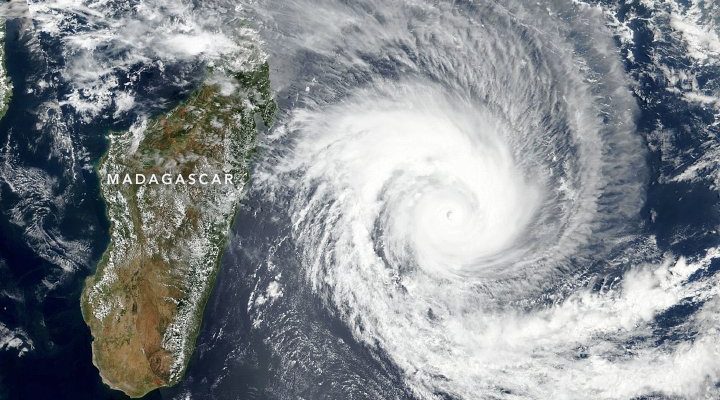
Cyclone Batsirai made landfall on Madagascar’s eastern coastline late on Saturday, with residents reporting strong winds, with wind speeds around 100 miles per hour, a power blackout and houses destroyed as the storm swept inland.
The cyclone, the second storm to hit the large Indian Ocean island nation in just a few weeks, was moving westwards at a rate of 19 km/h, the meteorological services said.
The Meteo-France weather service had earlier predicted Batsirai would present “a very serious threat” to Madagascar, after passing Mauritius and drenching the French island of La Reunion with torrential rain for two days.
In the hours before the cyclone hit, residents hunkered down in the impoverished country, still recovering from the deadly Tropical Storm Ana late last month.
“We are all very nervous as you can imagine,” WFP’s Pasqualina Disirio told Geneva-based journalists by video link from the capital Antananarivo. Some coastal areas have already been evacuated and schools were closed on Friday so that a portion of them can be converted into shelters, she added.
Jens Laerke of the U.N. Office for the Coordination of Humanitarian Affairs said he expected a “significant humanitarian impact” and said that teams were stocking up on supplies and readying aircrafts to assess future damage.
During the last storm, dozens were killed by landslides and buildings collapsed or were washed away. Batsirai is expected to bring more heavy rainfall with up to 30 centimetres forecast on Saturday, and more in mountain areas, the World Meteorological Organization (WMO) said just before Batsirai hits.
Meanwhile, Batsirai is currently over southern Madagascar and is expected to enter the Mozambique channel late Sunday or early Monday. The system will then head south and then south-east, without making African landfall.